
Themes
Origins and phenomena
How spiritualism was born and the phenomena that made it famous: knocks, tables, photographs.
From the knocks of Hydesville to the turning tables of European drawing rooms, and on to the photographs that promised to show the dead: in this section we tell how spiritualism was born and spread.
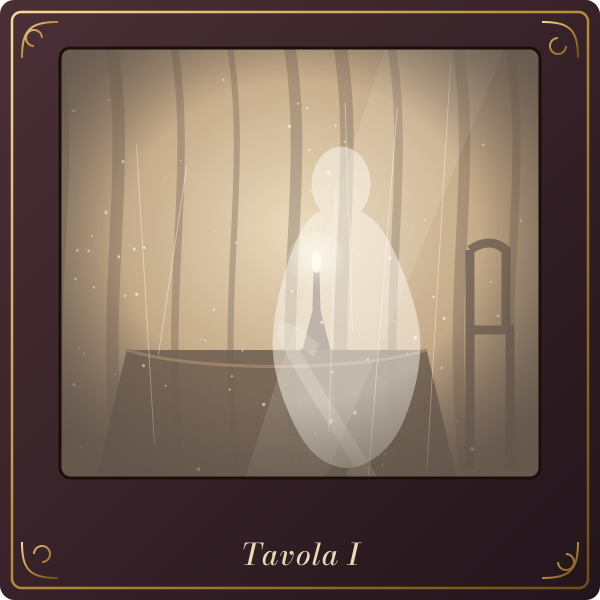
Hydesville 1848: the Fox sisters and the birth of spiritualism
A wooden house in New York State, two young girls, mysterious knocks in the dark and an alphabet for talking with the dead: the night of 31 March 1848 that gave birth to the spiritualist movement.
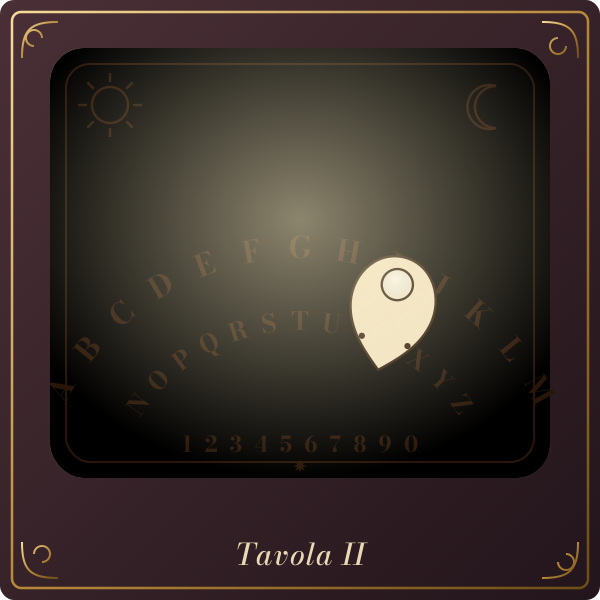
Table-turning: the craze that conquered Europe
In 1853 drawing rooms all over Europe gather around little tables that turn, tilt and knock out words. Faraday puts them to the test, Chevreul explains them, and the planchette is born.
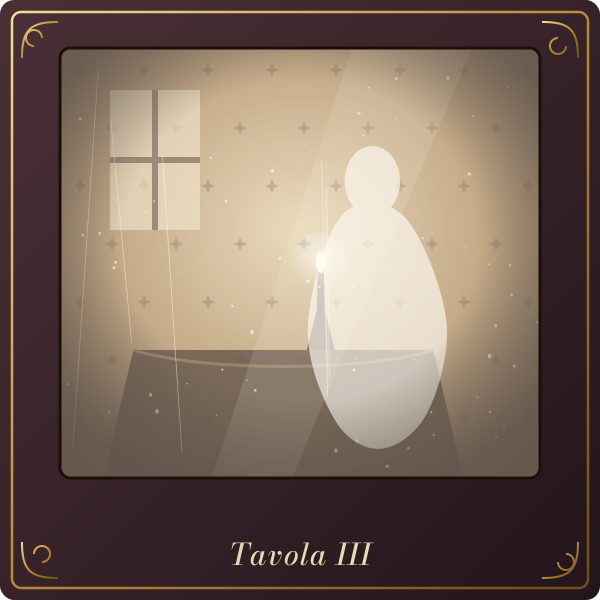
Spirit photography
A Boston engraver, a plate with a transparent face, the portrait of Lincoln's widow, fraud trials and fairies in an English garden: how photography promised to make the invisible visible.
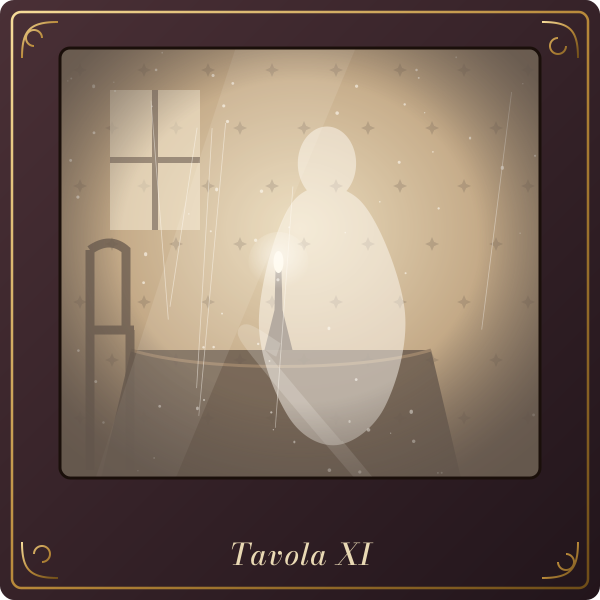
Mesmer and animal magnetism
A Viennese physician, a tub with iron rods, the convulsive crises of Parisian salons and a commission with Franklin and Lavoisier: animal magnetism prepared the ground for the spirits.
Emanuel Swedenborg, visionary of the heavens
A Swedish scientist who at fifty-five began talking with angels and spirits: his descriptions of the afterlife shaped the language of spiritualism a century before Hydesville.
The phantasmagoria, Robertson's ghosts
In revolutionary Paris a Belgian physicist projected spectres in the darkness of an abandoned convent: the magic lantern, smoke, voices, and an audience asking to see its own dead.